History of the Calendar: Why We Celebrate New Year on January 1st
We explore how the tradition of marking the beginning of the year on the first day of January was formed and why this date became globally accepted.
 🎭Culture & Sport
Photo: TSN
Key points
- Julius Caesar established January 1st as the start of the year
- The Gregorian calendar unified chronology
- The name of the month comes from the god Janus
From Ancient Cycles to the Modern Calendar
The tradition of marking the beginning of the new year on January 1st is not accidental; it is the result of centuries of calendar reforms. In ancient times, various peoples linked the beginning of the year to natural phenomena, such as the vernal equinox or the flooding of the Nile, which directly affected agriculture and the survival of communities.
The foundation for the modern date was laid by Julius Caesar in 46 BC with the introduction of the Julian calendar. It was then that January 1st officially became the start of the year. The name of the month comes from the god Janus, who symbolized transitions, beginnings, and endings, possessing two faces—one looking to the past and the other to the future.
The Gregorian Reform and Cultural Peculiarities
Despite these reforms, medieval Europe used various dates to start the year for a long time, often based on religious holidays. Only after the introduction of the Gregorian calendar by Pope Gregory XIII in 1582 did January 1st become the international standard for civil chronology.
- In Spain, there is a tradition of eating 12 grapes as the clock strikes midnight.
- Italians eat lentils, which symbolize financial prosperity.
- The Japanese perform a ritual of 108 bell rings to cleanse themselves of earthly passions.
Today, the January 1st celebration is a global phenomenon, although many cultures maintain their own unique traditions and parallel calendars, such as the Chinese or Hebrew calendars.
Source TSN — tsn.ua/tsikavinki/koly-sviatkuiut-novyy-rik-chomu-data-prypadaye-na-1-s… ↗
Read next
 👥Society
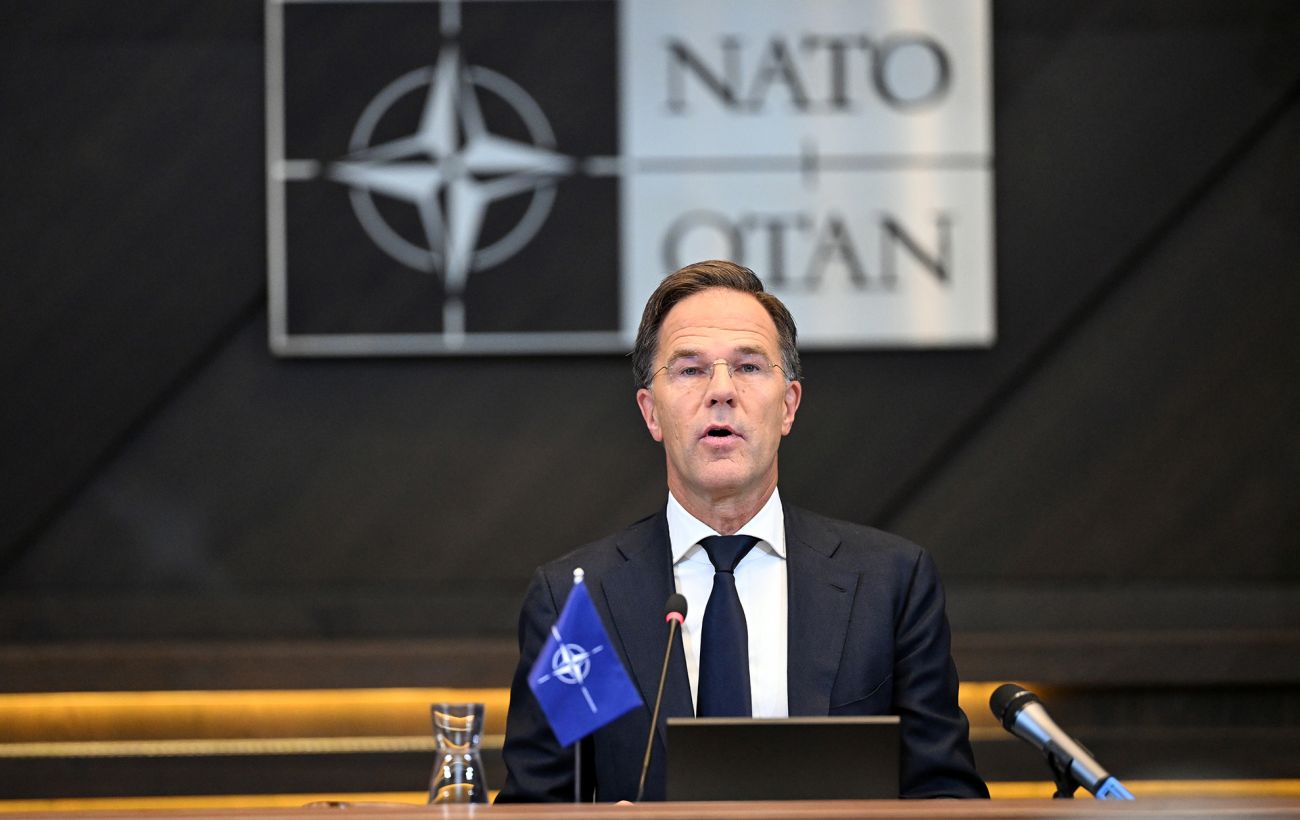
Mark Rutte on the risks of a single EU army amid Russian threat
NATO Secretary General Mark Rutte warned that creating parallel military structures in Europe could hinder rapid decision-making in the event of Russian aggression.
 🧠AI Analysis
Arctic invasion in Europe: Forecasters predict frosts down to -20° at the turn of November and December
Central Europe is facing a wave of Arctic cold with night frosts reaching down to -20° in late November. Weather changes will also affect Ukraine, bringing lower temperat…
 🛡️Security
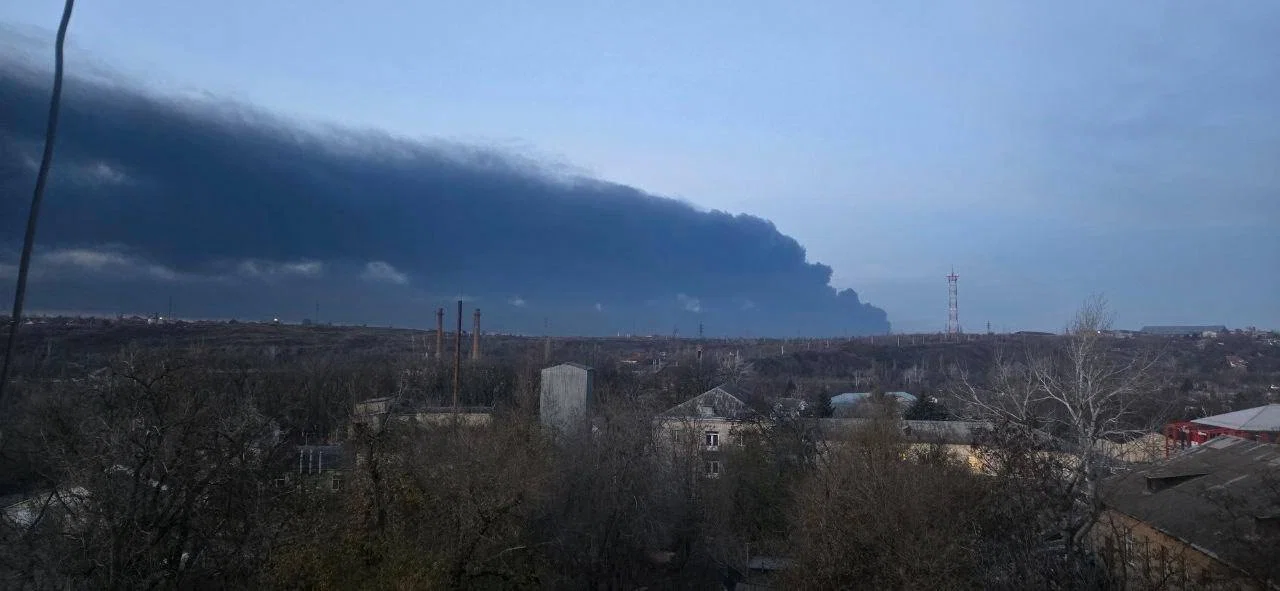
SBU and DIU Drones Strike Novoshakhtinsky Oil Refinery in Rostov Region
Ukraine's Security Service and Military Intelligence carried out a joint special operation, hitting refinery facilities and enemy air defense.
 🛡️Security
Kremlin’s Nuclear Blackmail: Dmitry Medvedev Issues New Threats Against Ukraine
The Deputy Chairman of the Russian Security Council discussed the possibility of a preemptive nuclear strike, citing Ukraine's NATO aspirations and Western involvement.
 🇺🇦Ukraine
European Commission favors multilateral format for negotiations with Russia
The European Commission has responded to Vladimir Putin's invitation to visit Moscow, emphasizing the importance of a collective approach to security issues.
 🏛️Politics
SAP Prosecutor praises NABU media team amid debates over investigation quality
SAP Prosecutor Rostyslav Batig addressed criticisms regarding the substitution of evidence for media campaigns, praising the professionalism of NABU's video editors.