Drone attacks Russian vessel Sparta II in the Gulf of Finland: What is known
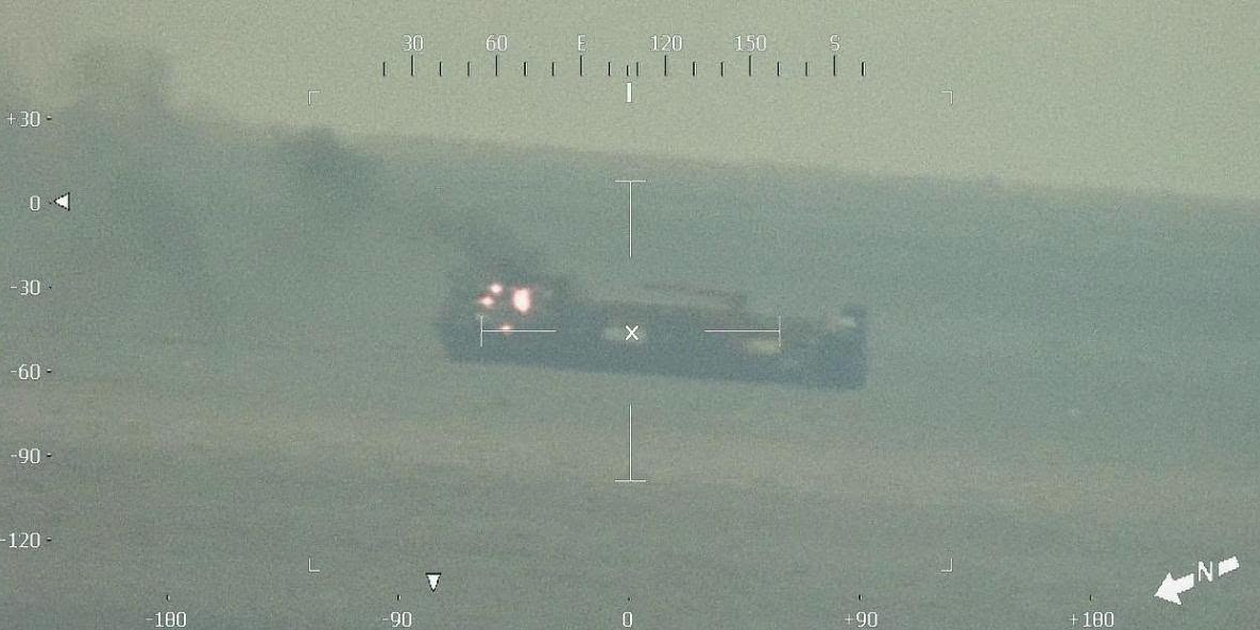
The Finnish Army recorded a drone attack on the Russian cargo ship Sparta II in international waters of the Gulf of Finland, a vessel previously linked to military logistics.
 👥Society
Photo: Ukrainska Pravda
Key points
- Drone attack recorded on Sparta II in the Gulf of Finland
- Vessel under U.S. and Ukrainian sanctions for arms transport
- Incident occurred in international waters near Suursaari
On Saturday morning, November 21, the Finnish Defence Forces recorded a drone attack targeting a Russian commercial vessel in international waters within the Gulf of Finland. According to Andrii Клименко, head of the Black Sea Strategic Studies project, the targeted ship was the cargo vessel Sparta II, which has frequently been used by the Russian Federation to support military missions abroad.
While officially registered as a civilian cargo ship, Sparta II has repeatedly been documented transporting military equipment and supplies. Intelligence data indicates it was utilized for shipments between Russian ports and locations in Syria, Algeria, and other regions. Due to its involvement in arms transport, the vessel has been under U.S. sanctions since 2022 and Ukrainian restrictions since 2026.
Geopolitical context and impact on logistics
The incident in the heavily trafficked waters of the Baltic Sea drew significant attention from regional security experts. Prior to the detection of the drone, Finnish armed forces had established temporary restrictions for navigation and aviation in the eastern part of the Gulf of Finland near the island of Suursaari. Analysts view the operation as a notable event highlighting the vulnerabilities of commercial vessels operating in support of military objectives.
For residents of Izmail and the broader Danube region, where port operations and maritime security remain critical daily concerns, such news illustrates the global reach of wartime logistics disruptions. Incidents involving Russian military support ships in remote waters demonstrate that Moscow's logistical networks face mounting security challenges. This development may further complicate Russian supply lines and intensify scrutiny over sanctions evasion in European waters.
Source Ukrainska Pravda — pravda.com.ua/news/2026/11/21/8063979/ ↗
Read next
 🧠AI Analysis
Arctic invasion in Europe: Forecasters predict frosts down to -20° at the turn of November and December
Central Europe is facing a wave of Arctic cold with night frosts reaching down to -20° in late November. Weather changes will also affect Ukraine, bringing lower temperat…
 🛡️Security
SBU and DIU Drones Strike Novoshakhtinsky Oil Refinery in Rostov Region
Ukraine's Security Service and Military Intelligence carried out a joint special operation, hitting refinery facilities and enemy air defense.
 🛡️Security
Kremlin’s Nuclear Blackmail: Dmitry Medvedev Issues New Threats Against Ukraine
The Deputy Chairman of the Russian Security Council discussed the possibility of a preemptive nuclear strike, citing Ukraine's NATO aspirations and Western involvement.
 🇺🇦Ukraine
European Commission favors multilateral format for negotiations with Russia
The European Commission has responded to Vladimir Putin's invitation to visit Moscow, emphasizing the importance of a collective approach to security issues.
 🏛️Politics
SAP Prosecutor praises NABU media team amid debates over investigation quality
SAP Prosecutor Rostyslav Batig addressed criticisms regarding the substitution of evidence for media campaigns, praising the professionalism of NABU's video editors.
 🧠AI Analysis
Industrial Crisis: Why ArcelorMittal's Shutdown Puts Thousands of Metallurgists at Risk of Losing Draft Deferrals
As the Kryvyi Rih plant enters 'cold idle' mode, reduced wages may disqualify workers from mobilization exemptions, prompting calls for government intervention.