Threats and Restoration: Current Status of the Crimean Bridge and Kremlin's Stance
Russian leadership claims the restoration of the bridge's railway section while threatening 'painful' responses to Ukrainian strikes.
 🚌Transport
Photo: Ukrainska Pravda
Key points
- Putin claims the railway section of the bridge has been restored.
- AFU confirms strikes using Neptune missiles and SBU operations.
- The bridge remains a vital supply route for Russian military logistics in the south.
The situation surrounding the logistical connection across the Kerch Strait remains critical. Kremlin leader Vladimir Putin has issued statements regarding the condition of the facility and Russia's future actions. According to him, the railway portion of the bridge is allegedly operational again, and Moscow plans to respond to future attacks in a "much more painful" manner. Meanwhile, the Russian side continues to insist on the bridge's exclusively civilian purpose, denying its use for military needs.
Logistical Significance and Military Realities
Despite claims from Russian leadership that the bridge is an "exclusively peaceful object," data from the General Staff of the Armed Forces of Ukraine (AFU) suggests otherwise. Throughout the full-scale invasion, this route has remained a key artery for transporting fuel, ammunition, equipment, and personnel to the southern front of Ukraine. Consequently, the facility has become a priority target for the Ukrainian Defense Forces.
In recent days, the bridge has sustained several serious strikes. Specifically, on the night of November 17, an SBU operation resulted in the collapse of a road span and damage to a metal arch. Subsequently, on November 19, the Ukrainian Navy utilized "Neptune" missiles, leading to damage to the railway tracks. Currently, the exact scale of destruction and the actual throughput capacity of the bridge remain subjects of debate, as traffic has been repeatedly halted.
Impact on the Southern Region
For residents of southern Ukraine, including the Odesa region and the Izmail district, the situation with the Crimean Bridge directly impacts the security environment. The Russian side has openly declared a refusal to negotiate and an intention to intensify strikes. This could signify an increased threat to the transport infrastructure of the entire Black Sea region, which is vital for export operations.
"After the strikes on the Crimean Bridge, we will not negotiate. We will respond to these strikes," Putin stated, emphasizing the Kremlin's aggressive course.
Such statements point toward further escalation, requiring increased vigilance from the civilian population and businesses. While Russia attempts to restore logistics through Crimea, the Ukrainian Defense Forces continue their work to neutralize the enemy's military supply lines.
Source Ukrainska Pravda — pravda.com.ua/news/2026/11/19/8063622/ ↗
Read next
 🏛️Politics
Polish investigators reveal details of Russian missiles that breached national airspace
The Polish Prosecutor's Office confirmed that three Kh-101 cruise missiles, which entered Polish territory on November 20, were manufactured in late 2026.
 🛡️Security
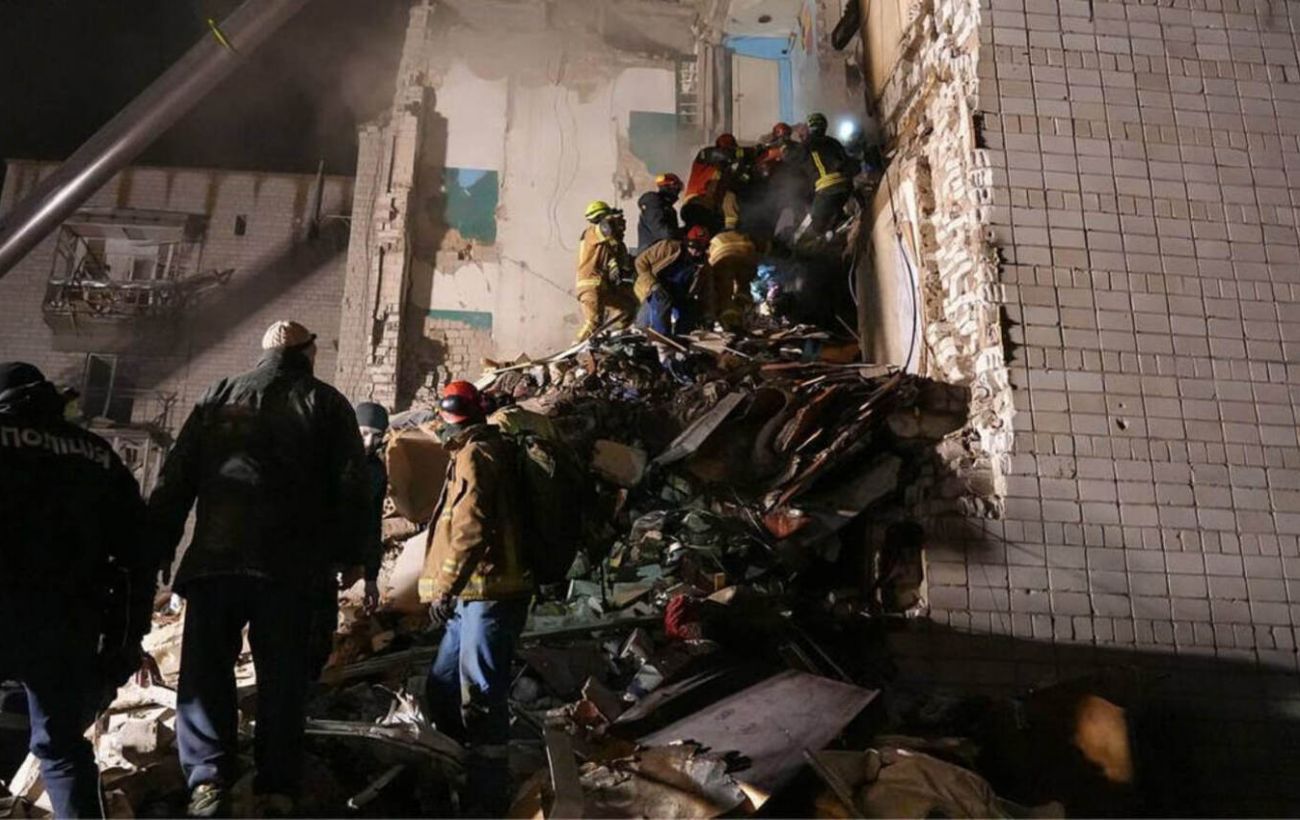
Tragedy in Dymer: death toll from Russian attack rises to seven
Rescuers have recovered the body of another victim from the rubble of a destroyed building in Dymer, Kyiv region.
 🇺🇦Ukraine
Donald Trump threatens Iran with new strikes after New Year
The US President has warned of potential military action against Iran if diplomatic efforts fail to yield results.
 🏙️City
Aftermath of attack in Kyiv region: death toll in Dymer rises to six
Rescue teams are clearing the rubble of a residential building in Dymer, where a drone strike resulted in multiple fatalities.
 🇺🇦Ukraine
British Minister Hamish Falconer calls Putin a 'butcher' and condemns Trump's rhetoric
UK Minister Hamish Falconer has harshly criticized the Russian leader and expressed disagreement with Donald Trump's claims regarding 'friendship' with the Kremlin.
 💡Tech
Geological study reveals cyclical pattern of powerful storms on Earth
An international team of scientists has discovered that millions of years ago, powerful storms on Earth occurred in a recurring 405,000-year cycle.