The Battle for a Critical Resource: Why Ukraine is Losing to Russia in Drone Fiber-Optic Procurement
Ukraine and Russia are competing in the Chinese market for optical fiber used to manufacture EW-resistant drones. High demand has caused prices to surge sixfold.
 👥Society
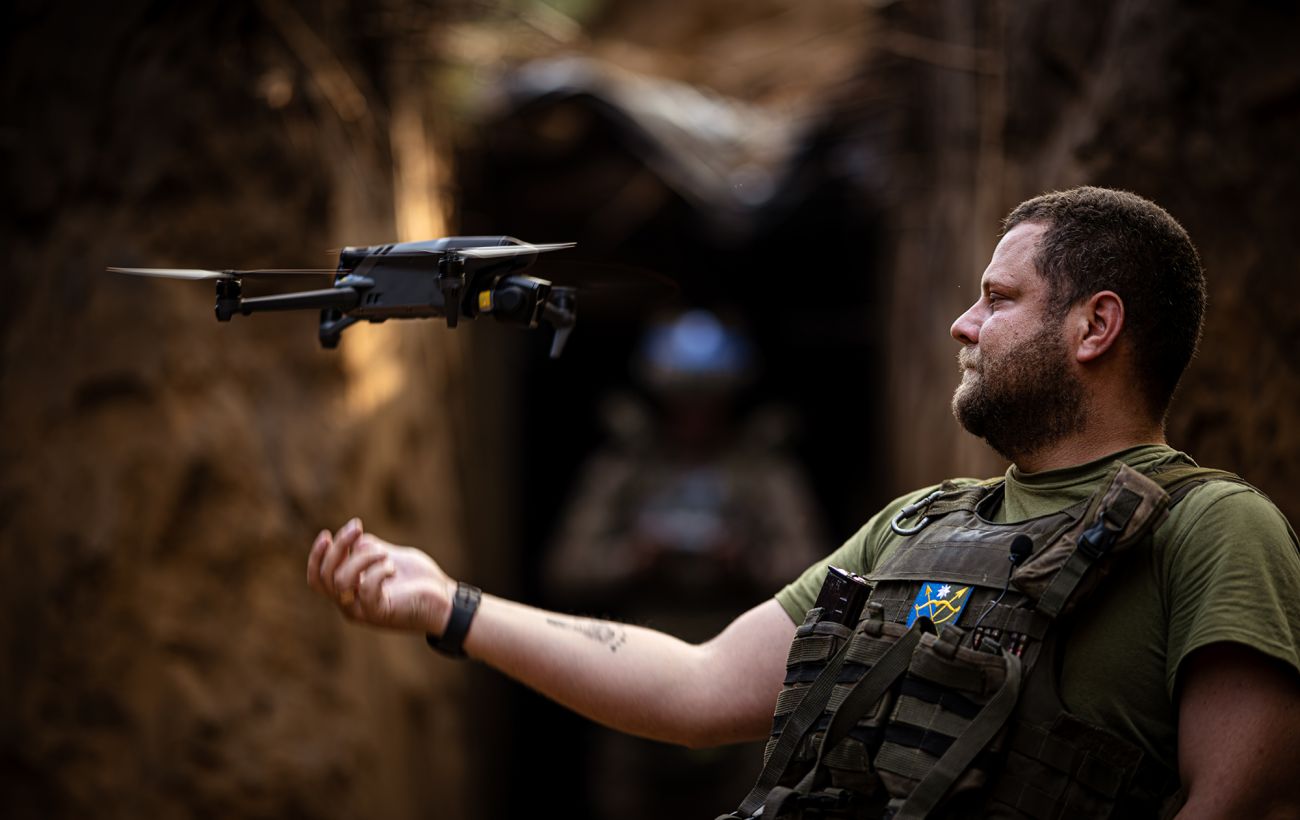
Photo: RBC-Ukraine
Key points
- Optical fiber prices surged from $4 to $30 per kilometer
- Russia utilizes centralized bulk purchasing giving it an advantage
- The Ukrainian market relies on hundreds of fragmented independent traders
- Some Chinese shipments arrive unlabelled due to export restrictions
Modern technological warfare requires not only engineering solutions but also uninterrupted access to scarce components. Currently, Ukraine and Russia are locked in a fierce competition for Chinese optical fiber, which is essential for producing drones capable of resisting electronic warfare (EW) systems. According to analysts, the cost of this vital material has surged dramatically: while a kilometer of high-quality fiber cost about four dollars in the spring, the price has now reached thirty dollars.
Causes of Price Hikes and Procurement Challenges
In addition to military demand, the situation is strained by growing needs from data centers that actively utilize optical fiber. However, the primary challenge for the Ukrainian side lies in procurement organization. According to market insiders, Russia holds a stronger position due to its vast financial resources and centralized bulk purchasing methods. Meanwhile, the Ukrainian market consists of hundreds of separate companies and intermediaries making independent purchases.
The situation is further complicated by Chinese suppliers amid ongoing export restrictions on drone components. Since August, certain shipments have reportedly arrived without any manufacturer logos or labeling, prompting some traders to avoid dealing with such products. Market participants note that the situation resembles a zero-sum game, where optical fiber failing to reach Ukraine ends up being channeled to Russia.
This dynamic directly impacts the supply chains of defense forces, carrying strategic consequences for national security. Understanding these logistical hurdles helps communities adapt to the evolving realities of wartime economics and resource allocation.
Source RBC-Ukraine — rbc.ua/ukr/news/rf-masovo-skupovue-optovolokno-kitayi-ft-1795274988… ↗
Read next
 🚨Events
ArcelorMittal Kryvyi Rih Shutdown Sparks Debate Over Tax Pressure During Preservation
Due to the forced halt of the metallurgical giant, experts and lawmakers urge a review of the enterprise's tax burden, including land tax.
 🚨Events
Preliminary Weather Forecast for December 2026: What Ukrainians Can Expect at the Start of Winter
According to preliminary climatological estimates, the first month of winter 2026 in Ukraine will feature milder weather with temperatures above the climatic norm.
 🚨Events
The smallest owl in Ukraine, the Eurasian pygmy owl, spotted in the Chornobyl Reserve
Researchers at the Chornobyl Radiation and Ecological Biosphere Reserve have recorded the smallest owl species in Ukraine — the Eurasian pygmy owl.
 🚨Events
Technological Deadlock: Why Russia Fails to Restart Strategic Aviation Production
Russia's military-industrial complex is struggling to produce new strategic bombers due to lost Soviet-era technologies and the impact of international sanctions.
 💼Economy
Financial market at the beginning of the week: currency fluctuations recorded in Ukraine
At the beginning of the week, Ukrainian banks and exchange offices showed a decrease in the exchange rates of leading foreign currencies. At the same time, the NBU also s…
 🚨Events
Finnish lawmakers consider strengthening Russian border draw lessons from Ukraine
Finnish parliamentarians are discussing the feasibility of building anti-tank obstacles and fortifications along the eastern border during peacetime, inspired by Ukraine'…